As a facialist who’s spent almost 20 years getting to know skin, I still get asked – “what’s the healthiest food for my skin?” – and that’s a great place to start because let’s face it, nutrition is the silent partner behind every single result we see at The Facial Hub here in Brisbane. When a new client walks in and sits down in my chair, I can usually get a pretty good idea pretty quickly if their Skin Barrier is feeling a bit parched, inflamed, totally overwhelmed from eating too much junk food, or just plain short on the good stuff like Vitamin E, Vitamin A and omega-3 fatty acids. Sometimes, I might recommend they start with a simple treatment at The Facial Hub skin clinic to get their skin back in balance before we dive deeper.
Before we get into all the fancy stuff – serums, dermaplaning, skin needling in Brisbane, or whatever luxury facial you’ve been dreaming of at The Facial Hub, I just want to say this: in the end, the key to healthy skin is not some fancy light or exfoliator – it’s what you feed your body in your own kitchen.
Contents
Why What You Eat Matters
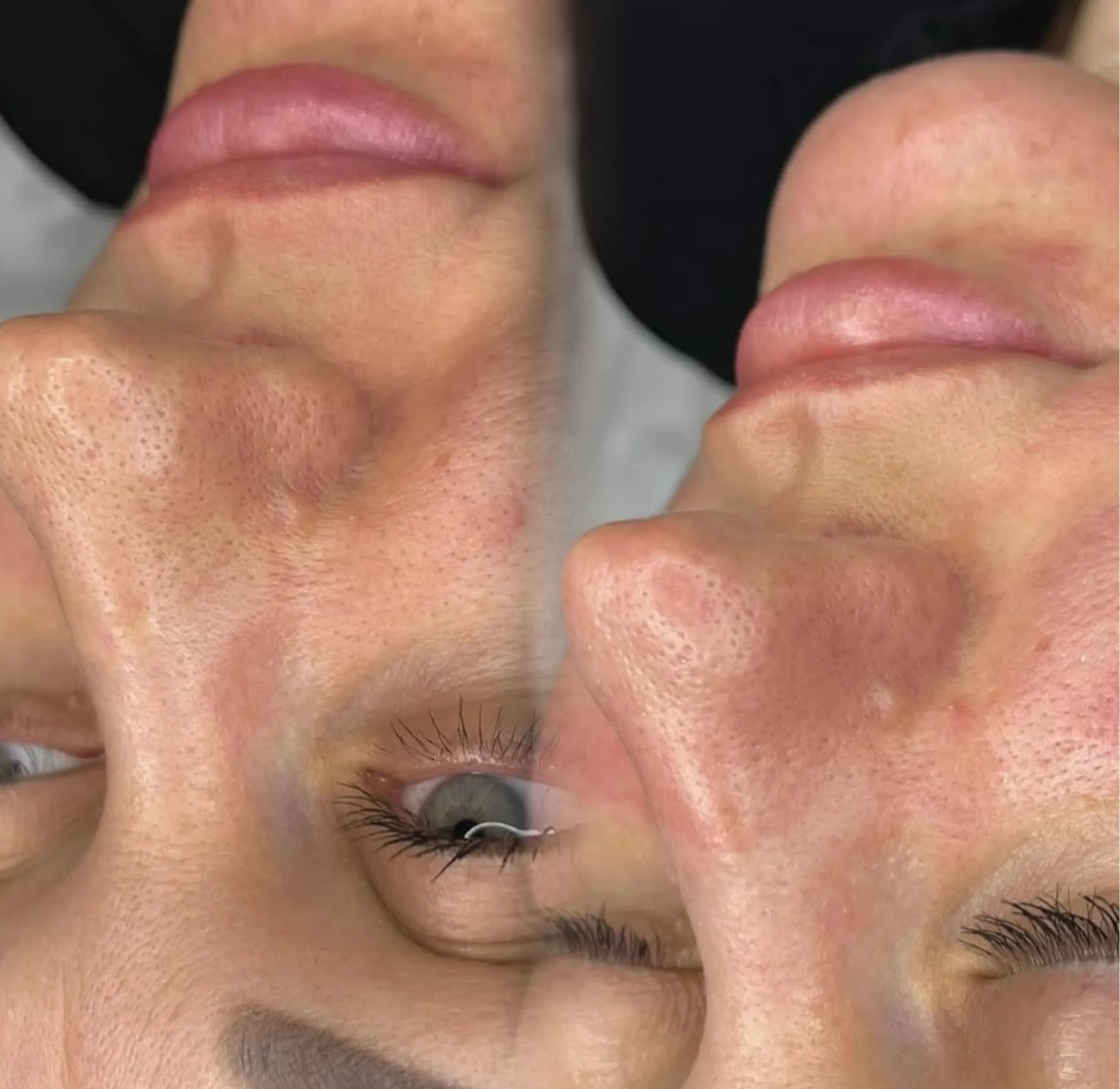
When I treated a client whose cheeks were constantly flushed and sensitised from harsh peels, it wasn’t another product that made the difference — it was removing the processed foods driving her inflammation and supporting her with a Healthy Diet Plan rich in antioxidants and healthy fats. Within six weeks, her redness eased dramatically, and her barrier regained hydration. Many clients who come in seeking the best facials in Brisbane are surprised when I remind them that topical treatments work best when the body is nourished internally.
Food is information for the skin. It tells your cells how to behave, how quickly to repair, whether to engage in collagen production, and how well they defend against free radicals — the molecules responsible for signs of ageing. And in warm, humid Brisbane or dry, windy Melbourne winters, that internal resilience matters even more.
Skin becomes healthier, brighter, and more resilient when we feed it these essential categories:
- Antioxidant-rich fruits and vegetables
- Omega-3 fats and other healthy fats
- Vitamin-dense whole foods that support the gut–skin axis
- Low GI, nutrient-rich carbohydrate-based foods
Let’s walk through them — and I’ll also highlight a few surprising foods that quietly sabotage your skin.
The Healthiest Choices for Radiant, Resilient Skin

Choosing the proper nutrients each day gives your skin the energy and raw materials it needs to repair, brighten and stay calm under pressure. When clients consistently nourish their skin, I often see their complexion improve faster than with topical skincare alone.
1. Antioxidant-Rich Fruits and Vegetables (Your Daily Glow Boosters)
If I could choose one universal “glow food,” it would be berries. Blueberries, strawberries, blackberries — they’re tiny but mighty. They’re loaded with Vitamin C, which helps neutralise free radicals responsible for dullness, pigmentation and weakened collagen.
Vitamin C-rich foods such as red & yellow peppers, kiwi, oranges, and even Kakadu plum seed oil support collagen production far more effectively than most people realise. Even when I’m planning dermaplaning in Brisbane for a client, I often ask about their intake of antioxidant foods because treatments always look brighter when the internal nourishment is strong. Clients usually tell me their skin responds even better when they combine dietary changes with a hydrafacial in The Facial Hub in Brisbane, which deeply cleans and hydrates the skin.
Leafy green vegetables, sweet potatoes and foods rich in beta carotene are also essential — they act as precursors to Vitamin A, the nutrient responsible for smoothness, repair and reducing acne vulgaris.
2. Omega-3 Fatty Acids (Your Anti-Inflammatory Skin Shield)
Salmon, sardines, mackerel, walnuts, chia seeds and other sources of Omega-3 Fatty Acid are skin-saving heroes. They help regulate oil flow, reduce inflammation, nourish the Skin Barrier, and keep cells hydrated—especially important for clients with dry skin or Atopic Dermatitis. I often see this among clients booking skin needling in Brisbane: those who consume more omega-3 fats tend to recover faster and show results sooner.
Fatty fish are also rich in Vitamin D, an underrated player in skin health and immune regulation. For clients preparing for treatments such as skin needling in Brisbane, omega-3 fatty acids make the skin more resilient and less reactive.
2026 skincare insight: A 2026 Global Nutritional Health Council report found that people with higher omega-3 intake showed a 22% reduction in visible inflammation markers (as of 2026; subject to future updates).
3. Vitamin A, Zinc, B Vitamins and Protein (Your Skin-Rebuilding Trio+)
Whenever a client struggles with slow healing, breakouts or persistent texture, I assess whether their diet includes:
- Vitamin A (sweet potatoes, leafy green vegetables)
- Zinc (pumpkin seeds, legumes)
- Thiamin (B1), Riboflavin (B2) and Niacin (B3)
- Vitamin B12
- Protein (crucial for collagen production and tissue healing)
Protein breakdown forms the amino acids needed to make collagen, which is particularly important before and after microdermabrasion at The Facial Hub or any exfoliating treatment. It’s also one of the reasons people often pair nutritional upgrades with a visit to The Facial Hub for a more holistic skin experience.
4. Hydrating Foods (Nature’s Internal Moisturiser)
Cucumber, watermelon, tomatoes and celery deliver hydration and natural electrolytes — an excellent way to support the lymphatic system and reduce puffiness. Foods with high water content are especially supportive during Brisbane’s humid summer when fluid retention and congestion are more common.
Green tea and red grapes also play an essential role here, offering polyphenols that protect against UV rays and oxidative stress.
Choices That Quietly Harm Skin
I’m not here to shame your hot chips, weekend ice cream or chocolate habit (dark chocolate in moderation is full of antioxidants!). But if your skin is breaking out, dull, inflamed or ageing more quickly, these foods commonly play a role:
| Food Category | Why It Harms Skin | What It Can Cause | Healthier Swap |
|---|---|---|---|
| Refined sugars | Spike insulin and increase inflammation | Breakouts, dullness | Low GI diet options like fruit, dark chocolate |
| Processed foods | High sodium + additives | Puffiness, dehydration | Whole foods, leafy greens |
| Excess dairy (for some) | Hormonal triggers | Chin/jawline acne | Nut milks, Vitamin D-fortified alternatives |
| Fried foods | Oxidised oils damage the Skin Barrier | Congestion, enlarged pores | Healthy fats like avocado, nuts and seeds |
| Alcohol | Depletes hydration + antioxidants | Redness, signs of ageing | Kombucha, herbal teas |
Food triggers are highly individual. During consultations at The Facial Hub in Brisbane, we sometimes recommend a gentle elimination diet to help identify sensitivities—especially for clients with acne vulgaris or Atopic Dermatitis.
A Simple Skin-Nourishing Plate
When clients ask me how to structure meals for skin health, this balanced plate always works:
- 40% colourful vegetables (beta carotene, Vitamin K, Folate/Folic Acid)
- 30% lean protein (supports collagen production)
- 20% whole grains or sweet potatoes (low GI, stable energy)
- 10% healthy fats (Sunflower Seed Oil, Jojoba Seed Oil, Nuts and seeds, Camellia Seed Oil or Prickly Pear Seed Oil)
This approach supports hormone balance, DNA repair resilience, gut–skin axis harmony and hydration — the pillars of healthy skin at any age.
2026 Skin Nutrition Trends Worth Knowing
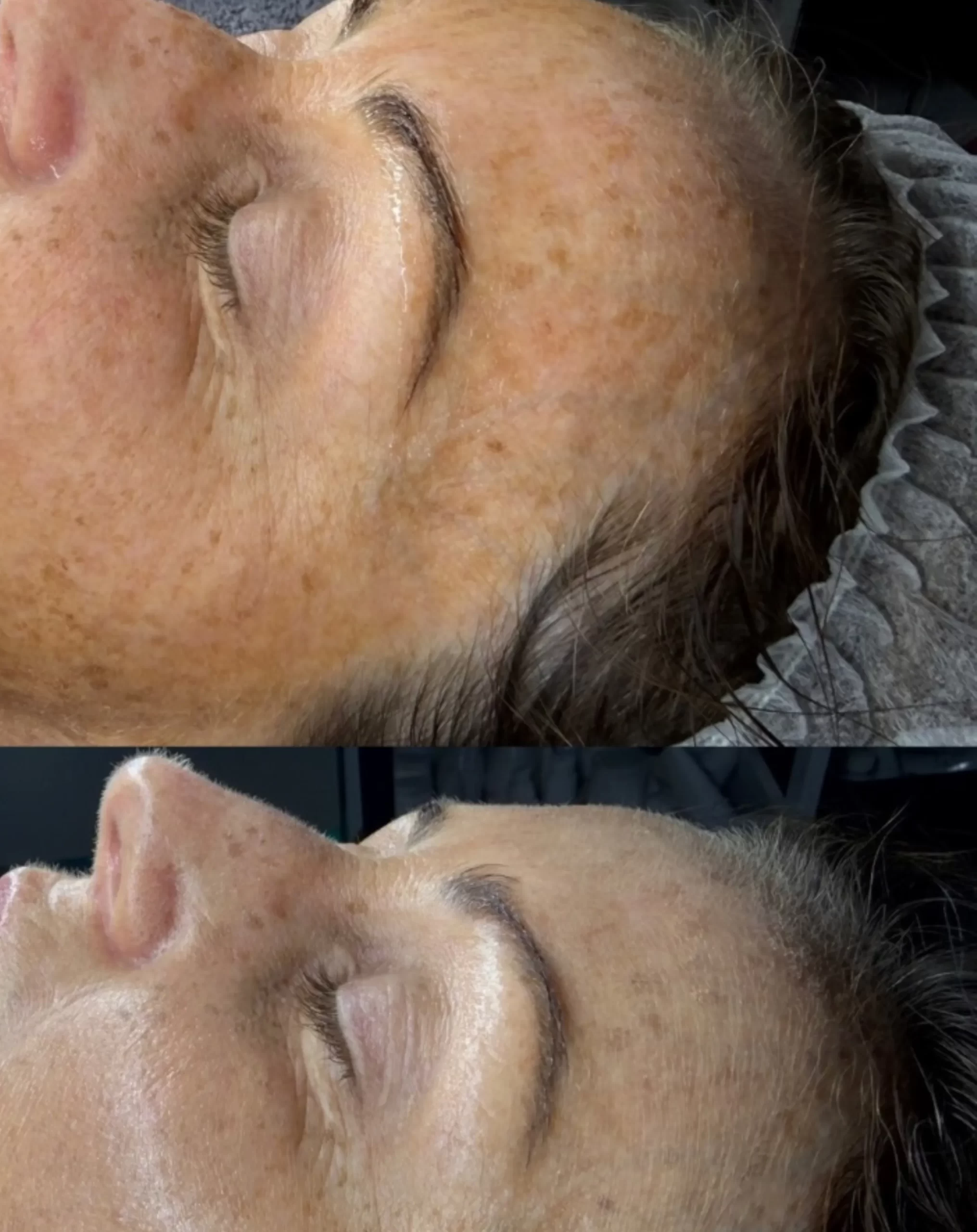
A few nutrition trends forecasted for 2026 genuinely support skin health:
Polyphenol-rich foods (dark chocolate, red grapes, green tea) enhance antioxidant defences.
Mediterranean diet patterns continue to outperform other dietary styles for healthy ageing and UV resilience.
Fermented foods strengthen the gut–skin axis, helping reduce inflammation and improve outcomes in atopic dermatitis.
As I often tell my clients, consistency always beats intensity.
A Personal Reflection — And an Invitation
Every skin I’ve ever cared for has taught me the same truth: healthy skin isn’t built by miracle serums — it’s built by daily patterns, nutrient-rich meals and stress management that give your cells what they need to thrive.
If you’re curious which foods would benefit your unique skin the most, pop into The Facial Hub and we’ll talk it through. Helping you understand what your skin is trying to say is one of my favourite parts of this work.
FAQ
Can food alone fix my skin concerns?
Food plays a decisive role in skin health, but the best results usually come from a mix of nutrition, good skin care, stress management and targeted treatments.
Are sweet potatoes and leafy greens really that good for skin?
Yes — they’re rich in beta carotene, Vitamin K and Folate/Folic Acid, supporting repair, radiance and collagen production.
Do omega-3 fats help acne?
They can. Omega-3 fatty acids reduce inflammation, balance oil flow and support the Skin Barrier — all helpful for acne vulgaris.
Is a low-GIomega-3 diet beneficial for skin?
Absolutely. Low-GI eating stabilises insulin, reduces inflammation, and may reduce breakouts triggered by carbohydrate-rich foods.
Should I change my diet before dermaplaning or needling?
Supporting your body with antioxidants, healthy fats, Vitamin C, and protein helps your skin recover and glow more quickly after treatments.