Tiwi Islands Day Trip: The Real Story Behind Booking an Authentic Aboriginal Cultural Tour. It’s one of those questions that seems simple enough at first but turns out to be a lot trickier than you’d think – getting a genuine Aboriginal cultural tour of the Tiwi Islands. The truth is, it’s not just a matter of booking a ticket and turning up whenever you like. To get the real deal, you need to go with a Tiwi-approved operator and be led by actual Aboriginal guides – and even then, access to the islands is tightly controlled by the traditional owners who live on their land in the Northern Territory.
Hi, I’m Paul Beames. I’ve spent years putting trips together and guiding people around the Top End & after all that experience, I’ve come to realise that the Tiwi Islands are all about slowing down and really listening to what the place has to offer. This isn’t Arnhem Land, nor Kakadu, nor some cultural stop you can just tick off your list. It’s a treasured cultural space that they let you in on – but only on their terms and only if you’re respectful.
Contents
- 1 Where the Day Trip Takes You
- 2 Why a Day Trip Works (Even If It’s Not Perfect)
- 3 Booking the Right Way: Who to Trust and Who to Ditch
- 4 What You Can Expect from a Proper Tiwi Day Trip
- 5 Tiwi Art And Design
- 6 How to Treat the Culture with Respect
- 7 Timing Your Visit in the Top End
- 8 How It Compares Across the NT
- 9 Final Word: Why Doing It Properly Matters
- 10 FAQ
Where the Day Trip Takes You
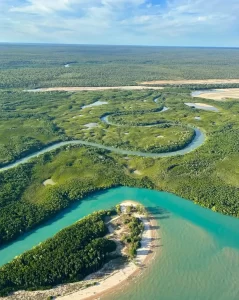
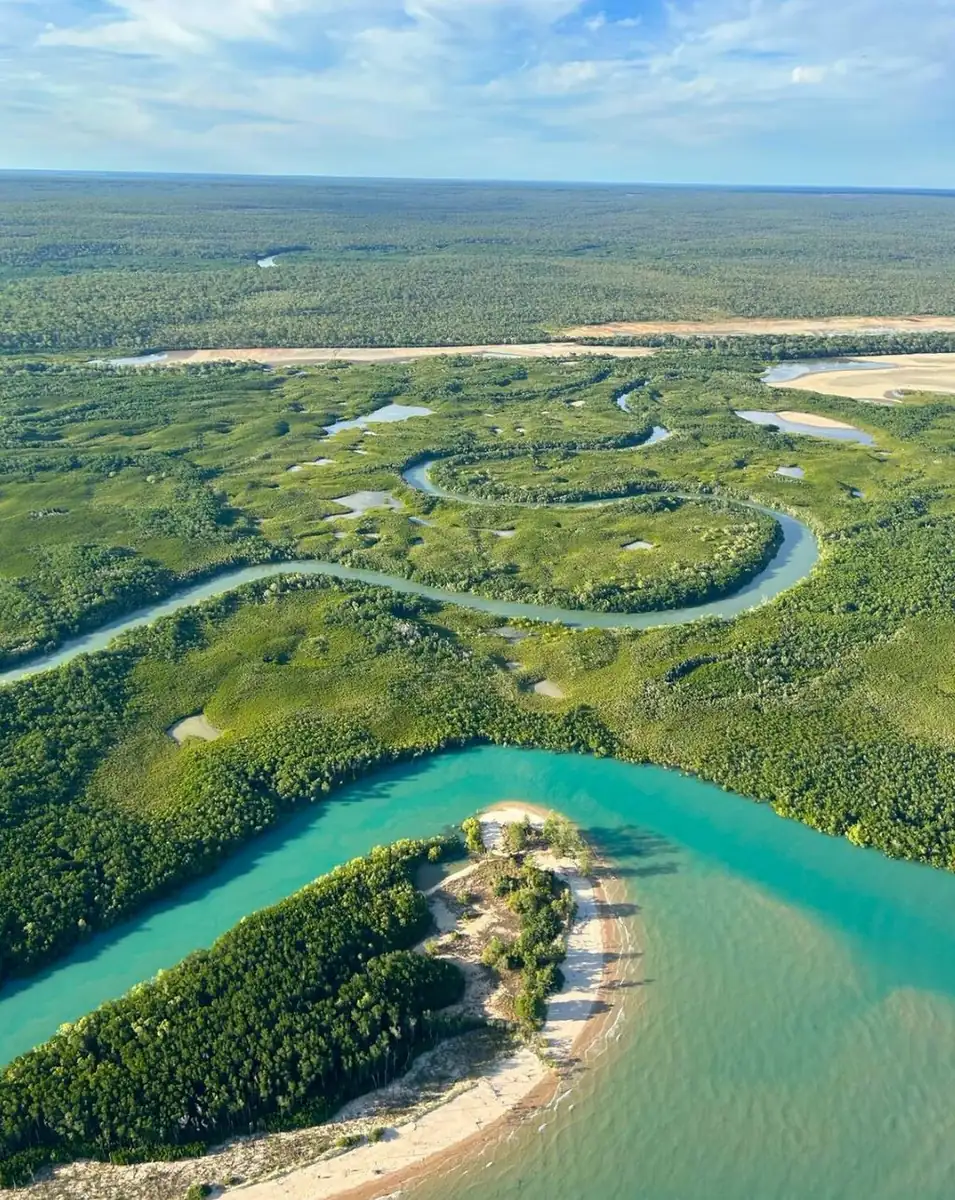
The Tiwi Islands are about 80 km north of Darwin, located between the Arafura Sea and the Timor Sea. You’ve got two main islands to explore: Bathurst Island & Melville Island. Most people who visit the area for a day land on Bathurst Island and then move on to the Nguiu community, also known as Wurrumiyanga.
Now this is Aboriginal freehold land, so don’t even think about trying to self-drive, go camping or organising your own ferry ride. Access is tightly managed because the Tiwi culture is alive and strong, and actually, around 90% of the Tiwi people still talk in their own language first – which is pretty unusual even by remote Australian standards.
That’s why the experiences on these islands are a bit different to the ones you’d find at places like Kakadu National Park or Litchfield National Park where pretty much anyone is free to wander around.
Why a Day Trip Works (Even If It’s Not Perfect)
A day trip is a good idea because it covers the hard parts: getting to the site and obtaining permission to visit. All the logistics are usually handled via light aircraft flights from Darwin, which operate as tours in the early morning.
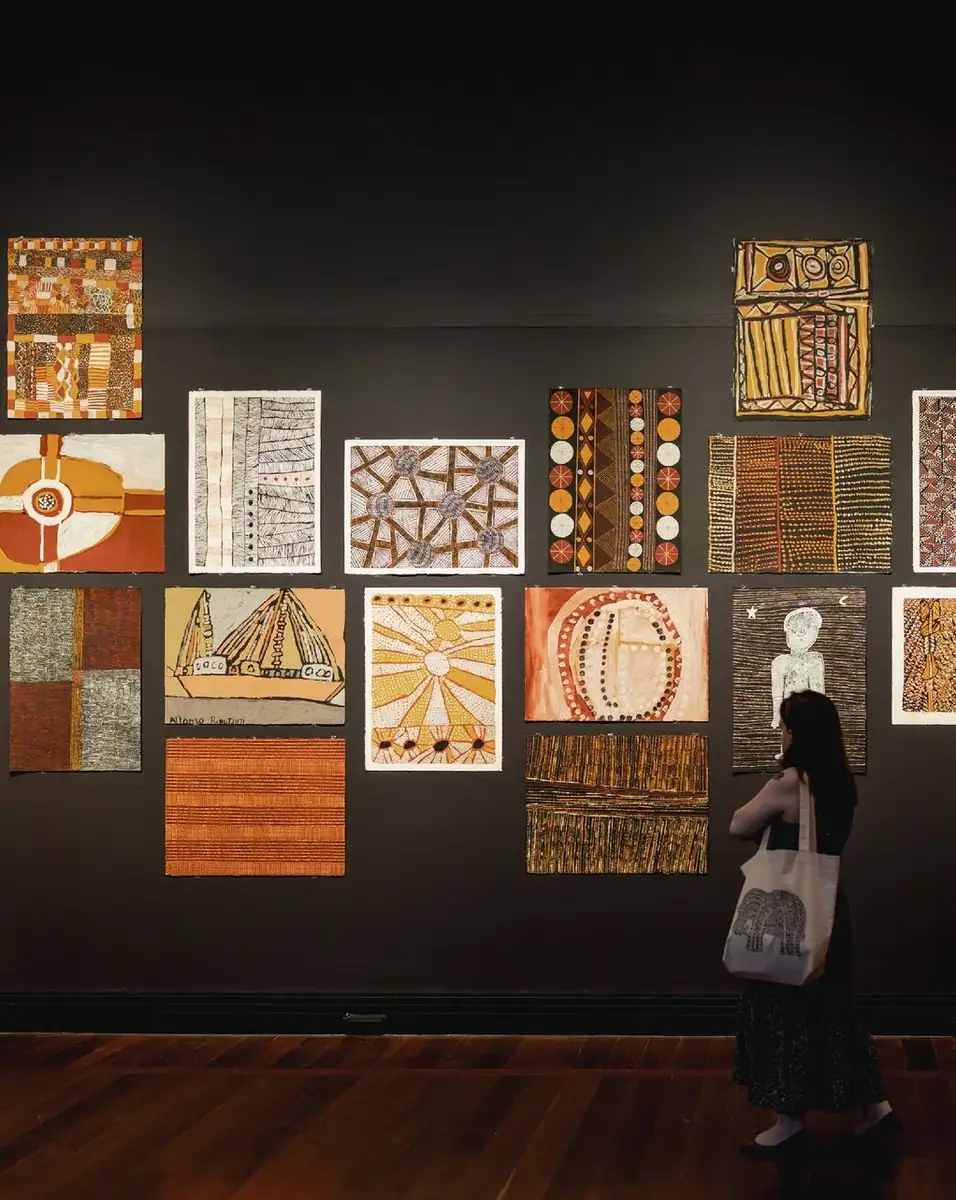
What a day trip gives you is some much-needed context: you get to see how people live, visit the local art centres, and maybe even get a glimpse into local community life – all while being guided by someone who actually lives there. But what it doesn’t give you is the total immersion that, say, a camping trip or a fishing adventure would offer – and that’s exactly what you have to be okay with.
If you turn up expecting some sort of spectacle, you’re probably going to miss the point entirely. But if you show up with a bit of curiosity, I reckon you’ll leave with a whole lot more than just photos.
Booking the Right Way: Who to Trust and Who to Ditch
Authenticity starts with the people running the show – and who you pick makes all the difference. If you really want a genuine Tiwi experience, look for tours run by Tiwi-owned or Tiwi-endorsed operators who work closely with local families and art centres. And one of the best examples of this is Tiwi Tours – these guys have been around for ages and operate community-approved visits that even Tourism Australia cites as a benchmark for an authentic Indigenous experience.
You might also come across some Northern Territory operators – like Autopia Tours – who offer complementary tours from Darwin across the Top End. They don’t actually run Tiwi Island tours themselves, but travellers often combine a day trip to Tiwi with other experiences, such as Kakadu, Litchfield, or Katherine Gorge, through providers like Autopia.
The bottom line is simple: if a company can’t or won’t explain its relationship with the Tiwi community, it’s best to just walk away.
What You Can Expect from a Proper Tiwi Day Trip
Every visit will be a bit different, but most guided tours follow a pretty similar structure. You can expect an early start, a quick flight to Tiwi, and a full day focused on enjoying the company rather than racing against the clock.
A typical experience will include:
- Flights from Darwin as part of the tour package
- A friendly welcome and introduction from your Aboriginal guide
- Time spent in the Nguiu community, with a visit to local schools or churches if that’s what’s appropriate on the day
- Visits to the art centres like Tiwi Design Art Centre and Jilamara Arts and Crafts, where you can get a real feel for what’s happening on the ground
- A chance to get hands-on with some traditional art, be that painting, carving, or whatever else catches your eye
- A listen in on some of the local stories and history – these are men and women who have got some incredible experiences to share
- A simple lunch – you might even get a taste of some bush tucker and a cup of billy tea (it’s a real Aussie classic)
Prices typically range from AUD $750–$900 per person, depending on the tour and inclusions. That’s a fair bit of money, I know, but the cost of getting to Tiwi, employing your guides, getting the right permits and supporting the community is all factored in – not just some fancy add-ons.
Tiwi Art And Design
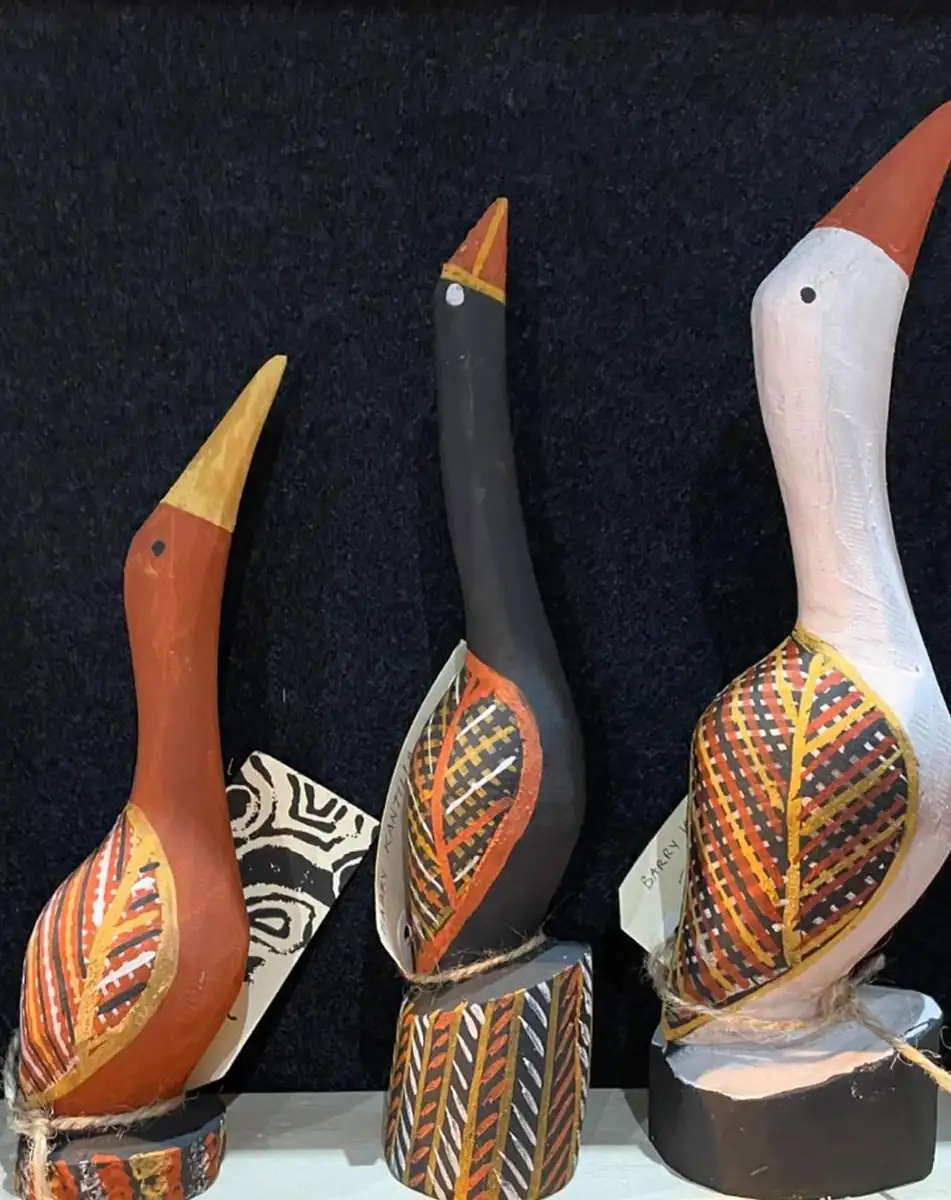
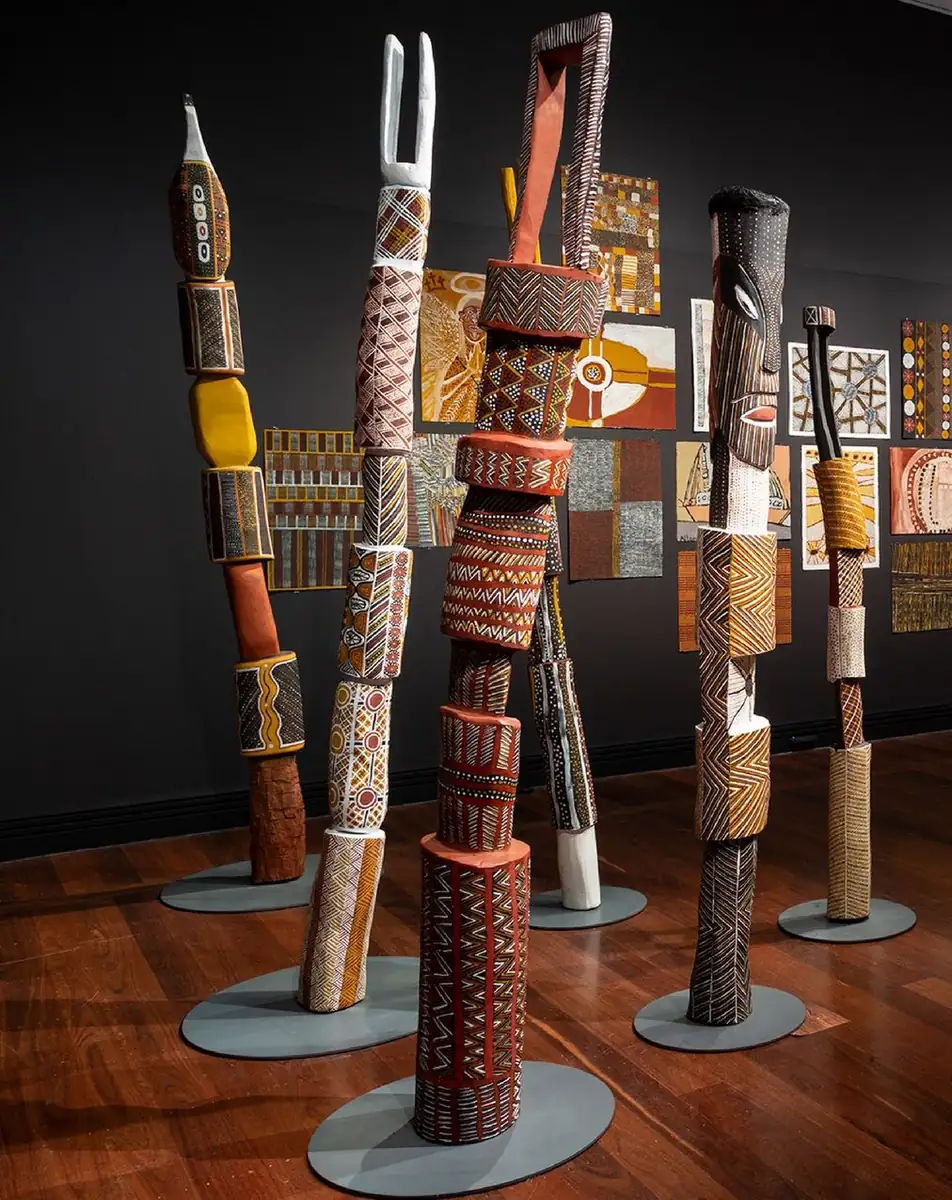
Tiwi Aboriginal art is pretty unmistakable – the bold colours, the ironwood carvings, the ochres – it’s all part of what makes an island identity that’s distinctly different from the styles you’ll see in mainland Arnhem Land. And the design here isn’t just about making things look pretty – it’s about conveying key messages about law, kinship, and the connection to the sea.
Art centres like Jilamara Arts and Crafts are more than just places to buy some Aboriginal art – they’re also community hubs where people can go to learn about their culture, find work and share their stories. You’ll be amazed – Indigenous visual arts are worth over AUD $250 million to the Australian economy every year, and the remote art centres are right at the heart of that.
When you buy directly from the art centres, you’ll be keeping ownership, and the income, right here on Country.
How to Treat the Culture with Respect
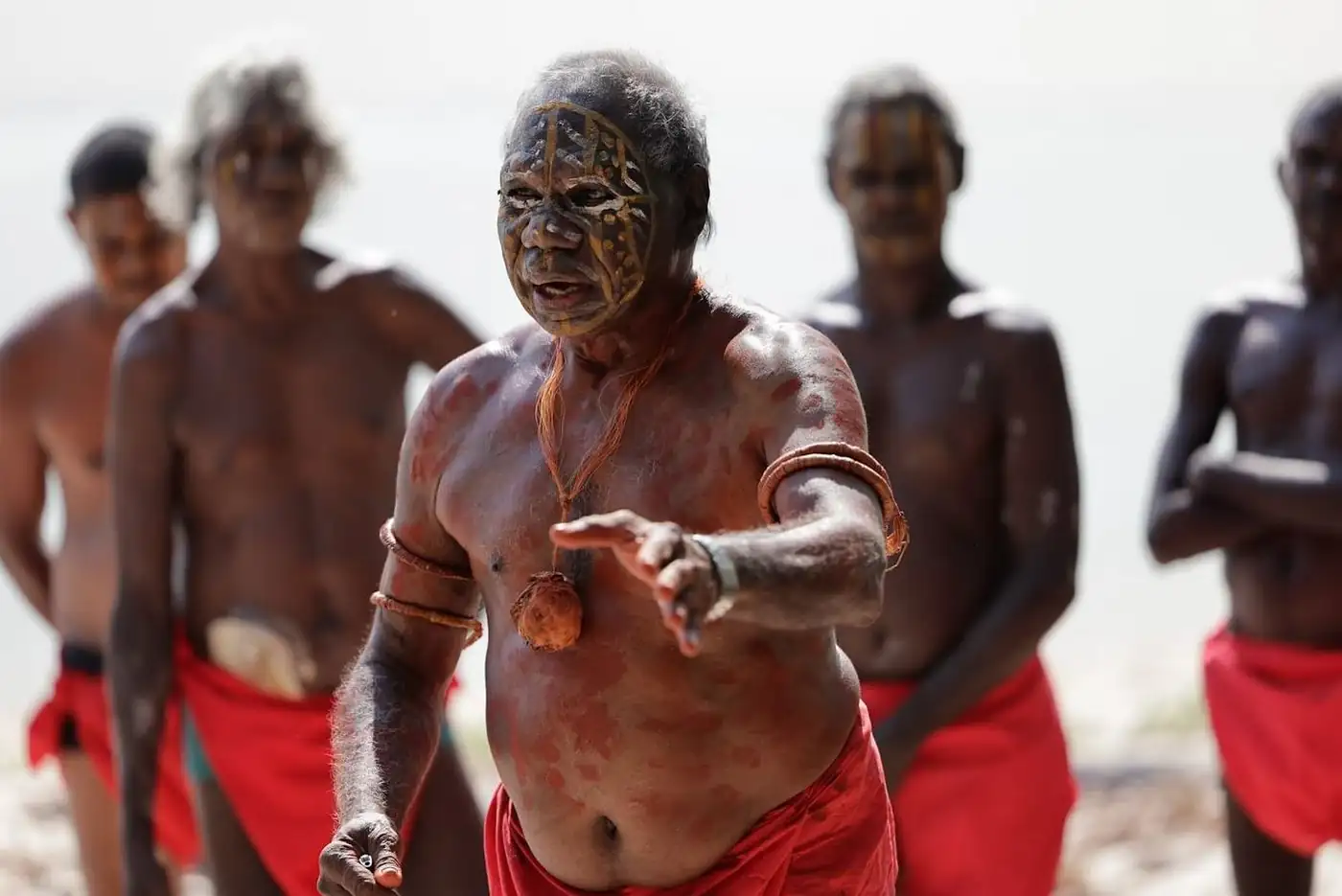
This is real, living culture – it’s not some kind of performance you can watch and then forget about.
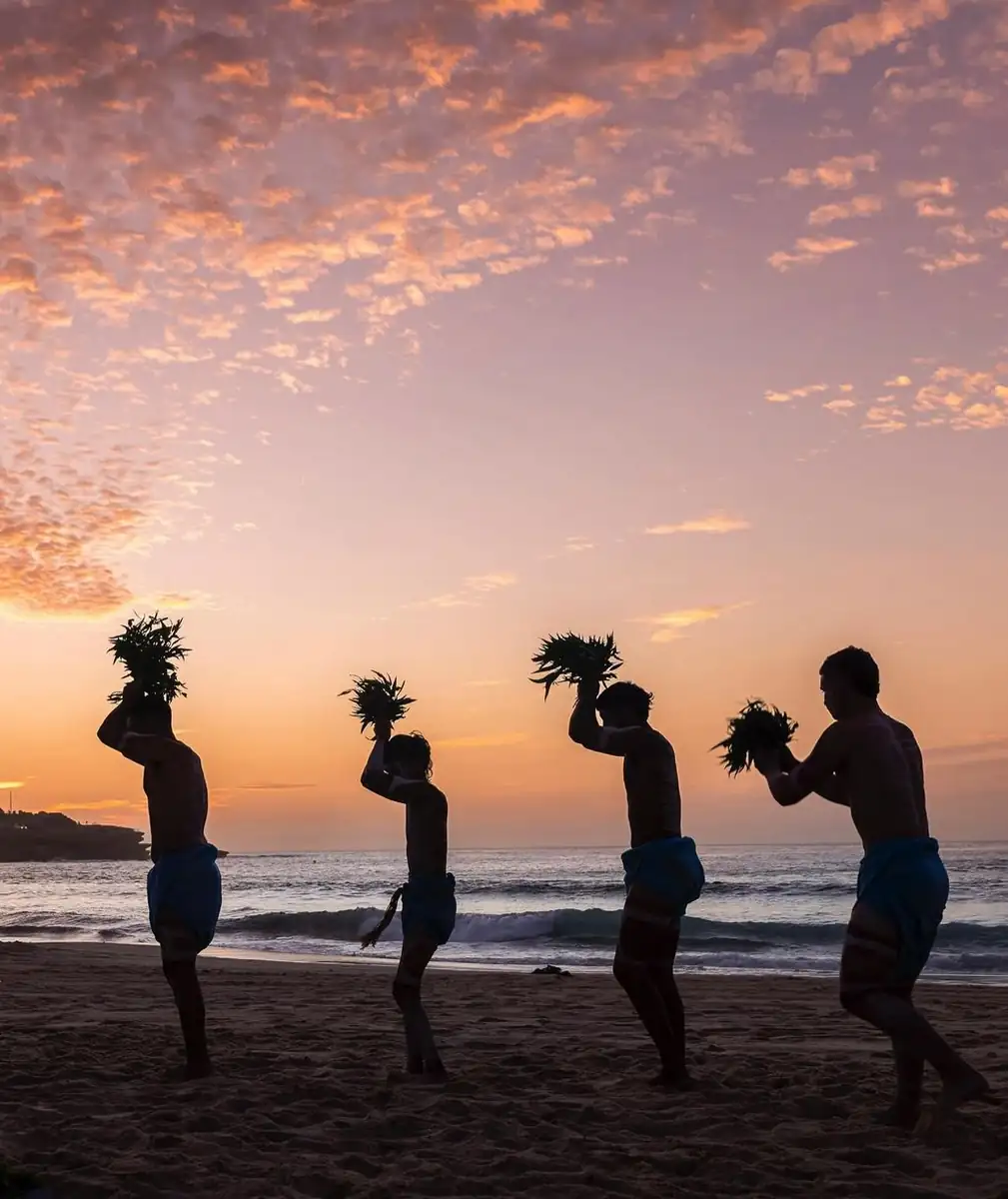
Take photos when you can – but not always. Yes, there might be ceremonies, such as a Smoking Ceremony, that occur from time to time, but these are not staged for your benefit. And if someone mentions a totem dance or a particular story, that doesn’t mean you should push for more. Sometimes you just have to listen, be quiet and respect the moment.
Timing Your Visit in the Top End
The dry season (May to October) is probably your safest bet – you’ll find flights are way more reliable, humidity is lower, and the chances of cancellations are just about zero. During the wet season, things can get pretty wild – you never know when a storm is going to pop up and take out flights.
Always arrange travel insurance, especially if you’re planning to combine Tiwi trips with other tours from Darwin. And be smart enough to not schedule your Tiwi day trip for your last day in the Northern Territory – you don’t want the trip to get cut short at the last minute.
How It Compares Across the NT
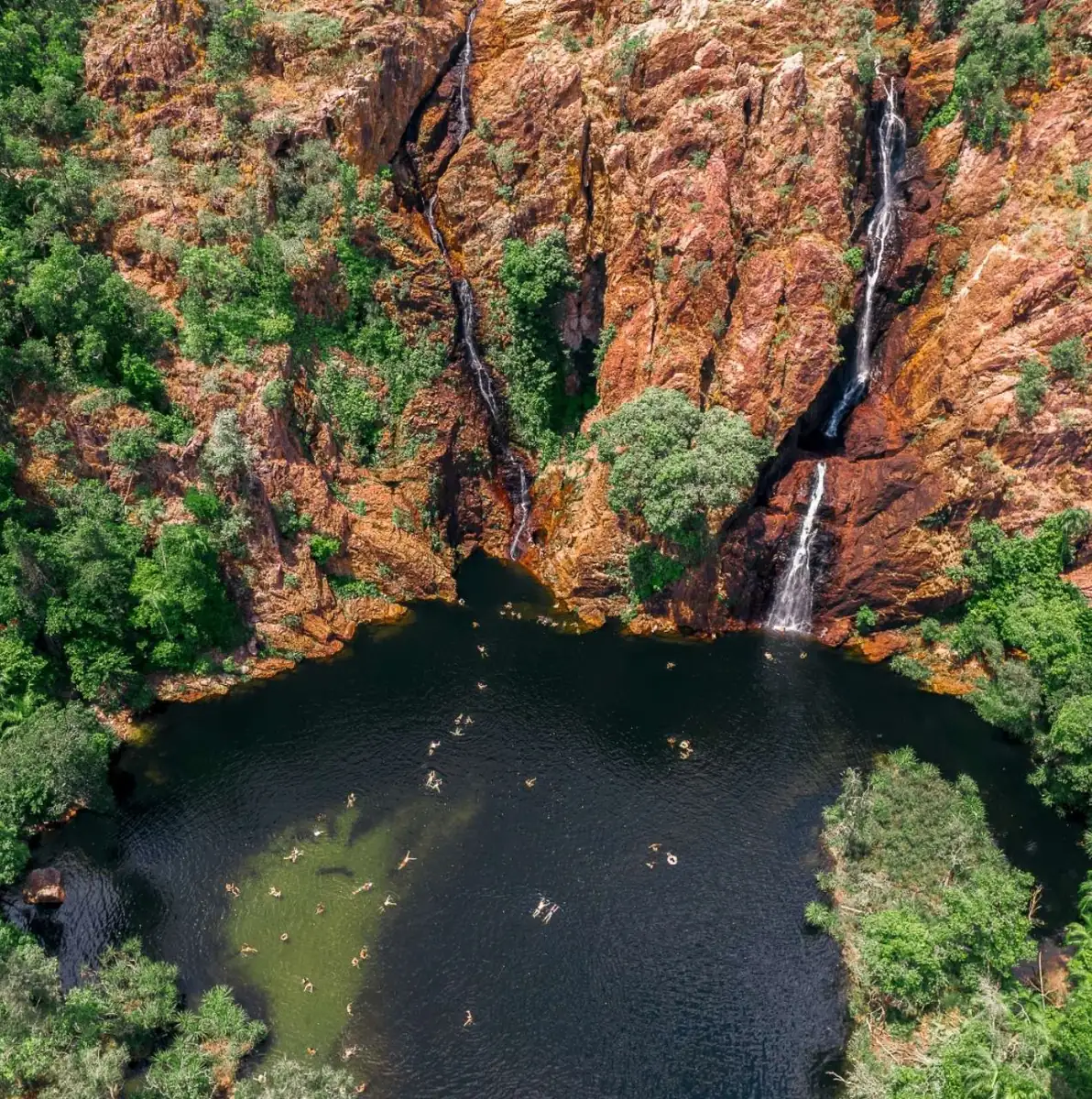
So you’ve been floating around Katherine Gorge with Nitmiluk Tours, or you’ve swum at Wangi Falls and Edith Falls – the Tiwi Islands are going to feel totally different. This isn’t about waterfalls or rocks – it’s about conversation, sharing a moment, and gaining context.
Think of it as a cultural anchor that helps tie together the rest of your Northern Territory itinerary – often paired with Adelaide River wetlands, or Litchfield through operators like Autopia Tours.
Final Word: Why Doing It Properly Matters
A Tiwi day trip is not something you can go at your own pace, or try to do on the cheap. And that’s exactly what makes it so special. You’re entering Aboriginal land with the permission of the locals, with a guide who’s been there before and who knows exactly what you should or shouldn’t be seeing.
Plan it right, choose the right operator, and approach it with some real respect – and this will be one of the most real cultural experiences the Top End has to offer.
If you’re planning tours from Darwin and want genuine advice on how Tiwi fits with Kakadu or Litchfield, I’m always happy to share what works on the ground, not just what looks good online.
FAQ
Do visitors need permits to join an organised Tiwi day tour?
No need to get any extra permits when you’re going with a legit approved Tiwi operator – independent access is just not allowed.
Are these tours suitable for kids?
Usually yes, depending on how old they are and how long they can pay attention – just check with the operator before you book.
Is photography allowed during the visit?
Photography maybe. You’ll need to ask your guide before you start snapping, and you’ll need to respect any restrictions without questioning them.
What happens if flights get cancelled because of the weather?
Operators typically offer only refunds or rebooking; that’s why travel insurance is so important.
Can a Tiwi visit be combined with mainland tours?
Yes, many people pair a Tiwi day trip with Kakadu, Litchfield, or Katherine Gorge experiences as part of a broader tour from Darwin.